Seeing yourself in a mirror during a dream can be one of the most profound and unsettling experiences your subconscious mind creates. Whether the reflection appears distorted, aged, or completely different from your waking appearance, these dreams often leave you questioning their deeper significance long after you wake up.
Dreams about mirrors typically occur during periods of intense self-examination, major life transitions, or when you're grappling with questions about your identity and self-worth. Your mind uses the mirror as a powerful symbol to process how you perceive yourself versus how others might see you, often revealing hidden aspects of your personality or unresolved emotional conflicts.
This comprehensive guide explores every facet of mirror dreams, from the psychological mechanisms behind them to their spiritual significance across cultures. You'll discover what different mirror scenarios mean, how your reflection's appearance affects the interpretation, and practical insights to help you understand what your subconscious is trying to communicate through these deeply symbolic dreams.
What Does It Mean to Dream About Seeing Yourself in Mirror?
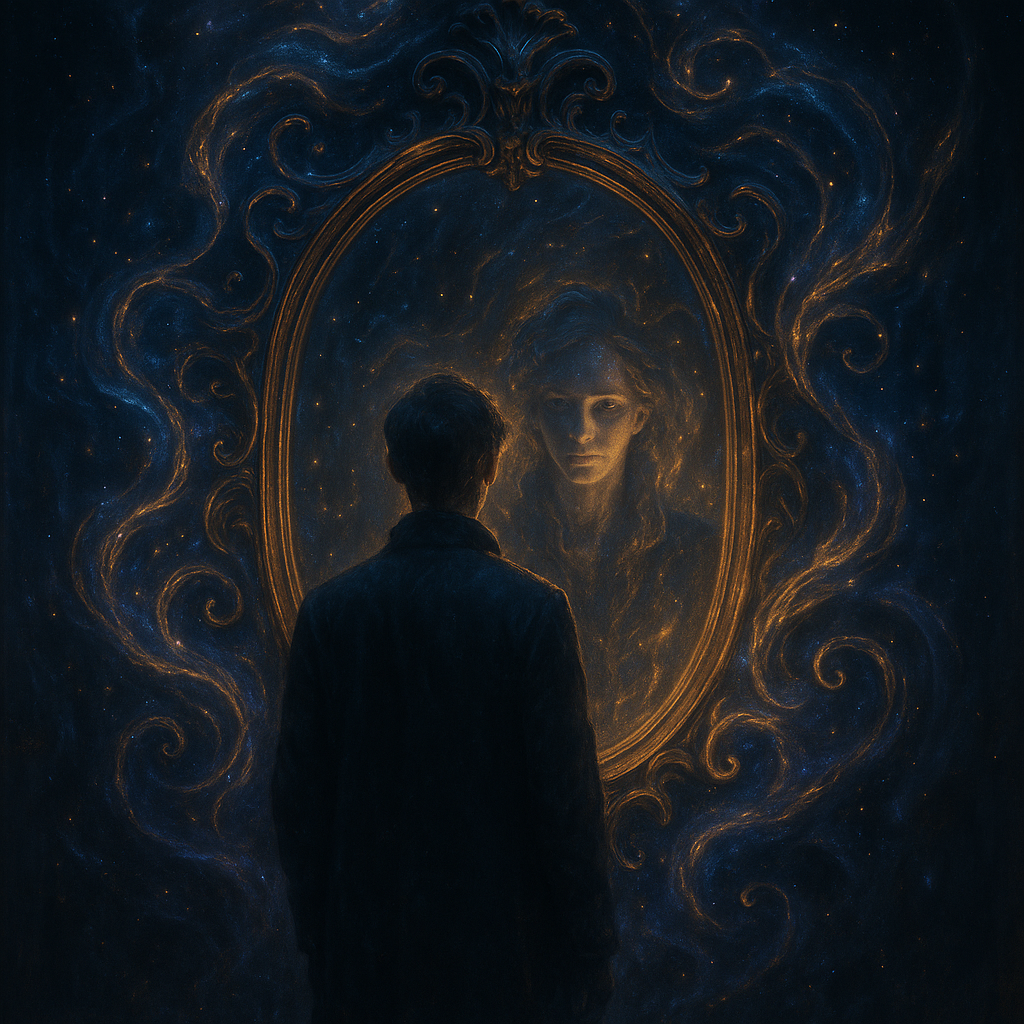
Dreams about seeing yourself in a mirror fundamentally represent self-awareness, introspection, and your relationship with your own identity. The mirror serves as a portal between your conscious and unconscious mind, reflecting not just your physical appearance but your deepest thoughts, fears, and desires about who you are and who you're becoming.
Distorted or Changed Reflection
When you see a distorted version of yourself in the dream mirror—perhaps older, younger, or with different features—this typically indicates feelings of disconnection from your true self. Your subconscious might be highlighting aspects of your personality you've been neglecting or changes you fear are happening within you.
This type of dream often occurs when you're experiencing imposter syndrome or feeling like you're not living authentically. The distortion represents the gap between your inner self and the persona you present to the world, suggesting it's time for honest self-evaluation and realignment with your core values.
Clear, Accurate Reflection
Seeing an accurate reflection of yourself usually indicates healthy self-awareness and acceptance. This dream suggests you're in tune with your authentic self and comfortable with who you are. However, the emotions you feel while looking at this accurate reflection provide crucial context for interpretation.
If you feel positive about what you see, it represents self-confidence and emotional maturity. If the accurate reflection disturbs you, it might indicate you're avoiding confronting certain truths about yourself or your current life situation that need attention.
Multiple Reflections
Dreams featuring multiple versions of yourself in mirrors or reflecting surfaces suggest you're juggling different aspects of your identity. This commonly occurs when you're feeling torn between different roles—professional versus personal, or different life paths you're considering.
These dreams often arise during decision-making periods when you're weighing different versions of who you could become. Each reflection represents a different potential self, and your dream mind is processing these possibilities to help guide your waking decisions.
Broken or Cracked Mirror
A shattered or cracked mirror in your dream typically symbolizes fragmented self-image or emotional trauma affecting how you see yourself. The broken reflection suggests your self-perception has been damaged by recent experiences, criticism, or personal setbacks.
This dream scenario often follows difficult life events like relationship breakups, job loss, or personal failures. Much like the connection between stress and dreams about being chased by someone, these mirror dreams reflect your psyche's attempt to process and heal from emotional wounds that have impacted your self-worth.
Unable to See Your Reflection
Dreams where mirrors show no reflection or someone else's face instead of yours indicate identity crisis or feeling invisible in your waking life. This powerful symbol suggests you're struggling to understand who you are or feeling like your true self isn't being recognized by others.
Such dreams often occur when you feel overlooked at work, in relationships, or social situations. Unlike dreams about drowning in dark water that represent being overwhelmed, these mirror dreams specifically address feeling unseen or unacknowledged for who you truly are.
- Mirror dreams primarily reflect self-awareness and identity exploration
- Distorted reflections indicate disconnection from authentic self
- Multiple reflections suggest juggling different life roles or decisions
- Broken mirrors symbolize damaged self-image requiring healing
- Missing reflections represent identity crisis or feeling invisible
Psychological Interpretation
Jungian Analysis
Carl Jung viewed mirror dreams as encounters with the Shadow—the hidden, often rejected aspects of personality. When you see yourself in a dream mirror, you're confronting both your conscious identity and unconscious elements you typically avoid. Jung believed these dreams facilitate individuation, the process of integrating all aspects of self into a cohesive, authentic identity.
The mirror acts as a boundary between the ego and the collective unconscious, offering glimpses of archetypal patterns within your psyche. Changes in your reflection reveal which archetypal energies are emerging or need integration—the Warrior, Lover, Sage, or Creator aspects of your personality seeking expression in waking life.
Freudian View
Freud interpreted mirror dreams through his theory of ego development and narcissistic tendencies. He saw these dreams as regression to the "mirror stage" of early childhood development, when self-awareness first emerges through reflection recognition. Adult mirror dreams often indicate unresolved narcissistic wounds or conflicts between the idealized self and reality.
From a Freudian perspective, disturbing mirror reflections represent the superego's harsh judgment of the ego, manifesting guilt or shame about repressed desires or behaviors. The dream mirror becomes a tool for the unconscious to present moral conflicts requiring conscious resolution.
Neuroscience Perspective
Modern neuroscience explains mirror dreams through the brain's self-recognition networks and default mode network activity during REM sleep. The posterior parietal cortex and temporal-parietal junction, responsible for self-other distinction and body ownership, remain active during dreaming, creating vivid self-perception experiences.
Research suggests these dreams often occur when the brain processes identity-related memories and emotions, particularly during periods of significant life changes. The mirror imagery emerges as the sleeping brain consolidates self-concept information, explaining why these dreams frequently accompany personal growth phases or identity transitions.
Spiritual & Cultural Symbolism
Biblical Interpretation
In Christian symbolism, mirrors represent divine revelation and spiritual self-examination. The famous passage "For now we see through a glass, darkly; but then face to face" (1 Corinthians 13:12) frames mirrors as tools for understanding God's truth and one's spiritual condition. Dreams of seeing yourself in mirrors often indicate divine calling for deeper faith examination or moral inventory.
Greek and Roman Traditions
Ancient Greek mythology linked mirrors to prophecy and truth-telling through figures like Narcissus and the oracle traditions. Romans viewed mirror dreams as messages from the gods about one's destiny or character flaws requiring attention. The reflection represented not just current self but potential future selves, making these dreams prophetic in nature.
Hindu and Buddhist Perspectives
Eastern traditions interpret mirror dreams as encounters with maya (illusion) and the path to enlightenment. In Hindu philosophy, the mirror represents the mind's ability to reflect reality while remaining unchanged itself. Buddhist teachings see mirror dreams as opportunities to recognize the impermanent nature of identity and achieve greater detachment from ego-based suffering.
Chinese Symbolism
Traditional Chinese culture views mirrors as portals between physical and spiritual realms. Mirror dreams are considered visits from ancestors or glimpses into past lives influencing current circumstances. The quality of reflection indicates spiritual harmony—clear mirrors suggest balanced chi energy, while distorted reflections warn of spiritual imbalance requiring feng shui corrections.
Indigenous Wisdom
Native American traditions interpret mirror dreams as vision quests or encounters with spirit guides appearing in familiar form to deliver important messages. Many tribes believe mirrors in dreams show your soul's true condition and connect you with ancestral wisdom, making these dreams sacred experiences requiring ceremonial interpretation and integration.
Dream Variations & Their Meanings
Seeing a Distorted or Different Reflection
When your mirror reflection appears warped, aged, or completely different from reality, this represents internal conflict about your identity. You may be struggling with self-acceptance or feeling disconnected from who you truly are. The distortion level often mirrors how far you feel from your authentic self.
Breaking or Shattering the Mirror
Dreams where you break the mirror while looking at yourself indicate a desire to shatter old self-perceptions or break free from limiting beliefs. This powerful symbol suggests you're ready for transformation, though the process may feel destructive. The breaking often precedes personal breakthrough moments.
Unable to See Your Reflection
When you look in the mirror but see nothing, or your reflection is absent, this points to feelings of invisibility or loss of identity. You might feel overlooked in relationships or struggling with self-worth. This dream sometimes emerges when people feel as lost as someone in a dream about being chased by someone - uncertain of direction.
Seeing Multiple Versions of Yourself
Multiple reflections represent the various roles and personas you juggle daily. Each reflection might show different aspects of your personality or life paths you're considering. This dream often occurs during major decision-making periods when you're weighing different versions of your future self.
Mirror in a Moving Vehicle
Looking at yourself in a car's rearview mirror combines self-reflection with forward movement. Similar to a dream about car symbolism, this suggests you're examining your past self while navigating life's journey, often indicating healthy personal growth and self-awareness during transitions.
How the Emotions Change Everything
The emotional tone of your mirror dream completely transforms its meaning and urgency:
- Fear: Terror upon seeing your reflection suggests deep-seated insecurities or shame about aspects of yourself you're avoiding. This fear often masks important self-truths that need acknowledgment.
- Calm/Peace: Peaceful mirror encounters indicate healthy self-acceptance and emotional balance. You're in harmony with your authentic self and comfortable with personal growth.
- Excitement: Joy or excitement while seeing yourself reflects positive self-image and confidence in your life direction. This emotion suggests you're proud of recent personal developments.
- Sadness: Crying or feeling melancholy at your reflection points to grief over lost aspects of yourself or disappointment in personal choices. This emotion calls for self-compassion and healing.
- Anger: Rage toward your reflection indicates self-directed frustration or disappointment. You may be your own harshest critic, creating internal conflict that needs resolution.
To decode your dream accurately, focus first on how you felt during the mirror encounter. This emotional foundation reveals whether your subconscious is calling for self-acceptance, change, or healing. The specific mirror imagery then provides the detailed roadmap for understanding what aspects of self-identity need attention.
What Life Situations Trigger This Dream?
Mirror dreams typically emerge during specific life circumstances that challenge your self-perception or identity:
- Major Life Transitions: Career changes, moving homes, or entering new life phases often trigger mirror dreams as you reassess who you're becoming versus who you've been.
- Relationship Shifts: New relationships, breakups, or marriage force self-examination about your role and identity within partnerships. You might question if you're being authentic or adapting too much.
- Health Challenges: Physical illness, aging, or body changes can spark mirror dreams as you process shifts in self-image and physical identity. The reflection often shows concerns about vitality or appearance.
- Professional Identity Crisis: Job dissatisfaction or imposter syndrome frequently manifests as distorted mirror reflections, especially when you feel disconnected from your work persona versus authentic self.
- Family Dynamics: Returning home, becoming a parent, or losing family members triggers identity reflection. You examine inherited traits or wonder how family roles shape your self-concept.
- Personal Growth Work: Therapy, meditation, or spiritual practices often increase mirror dreams as heightened self-awareness brings subconscious identity questions to the surface.
These dreams serve as psychological checkpoints, similar to how a dream about snake in my house might signal transformation needs. They appear when your psyche requires honest self-assessment during pivotal life moments.
When This Dream Keeps Coming Back
Recurring mirror dreams carry deeper significance than one-time encounters. While a single mirror dream often reflects immediate self-reflection needs, repeated appearances suggest persistent identity questions or unresolved self-acceptance issues demanding attention.
Three primary causes drive recurring mirror dreams: First, major life transitions create ongoing identity confusion—career changes, relationships, or aging trigger repeated self-examination dreams. Second, unprocessed trauma or shame manifests as distorted mirror reflections until healing occurs. Third, spiritual awakening phases generate frequent mirror encounters as consciousness expands and self-perception evolves.
Processing techniques include: Dream journaling immediately upon waking captures subtle variations between episodes. Mirror meditation—spending intentional time with your physical reflection while setting loving intentions—helps integrate the dream's message. Shadow work exercises, exploring rejected aspects of yourself, often resolve recurring patterns. Consider therapy if dreams feel distressing or involve consistently disturbing reflections, as professional guidance can unlock deeper healing pathways.
What To Do After This Dream
Mirror dreams offer profound opportunities for self-discovery and growth. Transform these nocturnal encounters into conscious evolution through intentional reflection and awareness practices.
Essential journaling prompts:
- How did my reflection differ from my waking appearance, and what might this represent?
- What emotions arose when seeing myself in the dream mirror?
- What aspects of my current life require honest self-examination?
- How do I truly see myself versus how others perceive me?
- What part of my identity is currently transforming or needs attention?
Observe these patterns over the next seven days: Notice your relationship with actual mirrors—do you avoid or seek your reflection? Pay attention to self-talk and inner criticism. Watch for synchronicities involving self-image, identity, or authenticity themes in daily life.
Remember, your subconscious chose this powerful symbol to communicate something important about your journey. Embrace this invitation to know yourself more deeply—every mirror dream is ultimately a gift of self-awareness, guiding you toward greater authenticity and self-love.