Few dreams feel as terrifying and suffocating as those where you're desperately trying to escape but find yourself completely trapped. Whether you're running from an unknown pursuer, stuck in a maze with no exit, or finding every door locked against you, these dreams leave you gasping awake with your heart pounding and a lingering sense of helplessness that can haunt your entire day.
Dreams about being unable to escape typically emerge when your subconscious mind is processing feelings of being trapped, overwhelmed, or powerless in your waking life. These vivid nightmares often surface during periods of high stress, major life transitions, or when you're facing situations that feel beyond your control—whether it's a toxic relationship, demanding job, financial pressures, or personal circumstances that seem impossible to change.
This comprehensive guide will decode the hidden messages behind your escape dreams, exploring everything from specific scenario meanings to psychological interpretations and cultural symbolism. You'll discover why your mind creates these intense experiences, what different escape scenarios reveal about your current life challenges, and most importantly, how to transform these anxiety-laden dreams into valuable insights for personal growth and positive change.
What Does It Mean to Dream About Being Unable to Escape?
Dreams about being unable to escape are powerful manifestations of your subconscious mind's attempt to process feelings of entrapment, anxiety, and powerlessness in your waking life. These dreams serve as urgent messages from your psyche, highlighting situations where you feel stuck, overwhelmed, or unable to assert control over your circumstances.
Trapped in a Building or Room
When you dream of being locked in a room, basement, or building with no way out, this often represents feeling confined by your current life circumstances. The structure itself may symbolize different aspects of your life—a workplace might represent career frustrations, while a childhood home could indicate family pressures or past traumas that continue to limit you.
The condition of the building matters significantly. A crumbling structure suggests your foundations feel unstable, while a pristine but locked space might indicate that external expectations or societal norms are constraining your authentic self-expression. These dreams frequently occur when you're in jobs that don't fulfill you, relationships that restrict your growth, or situations where you feel your voice isn't being heard.
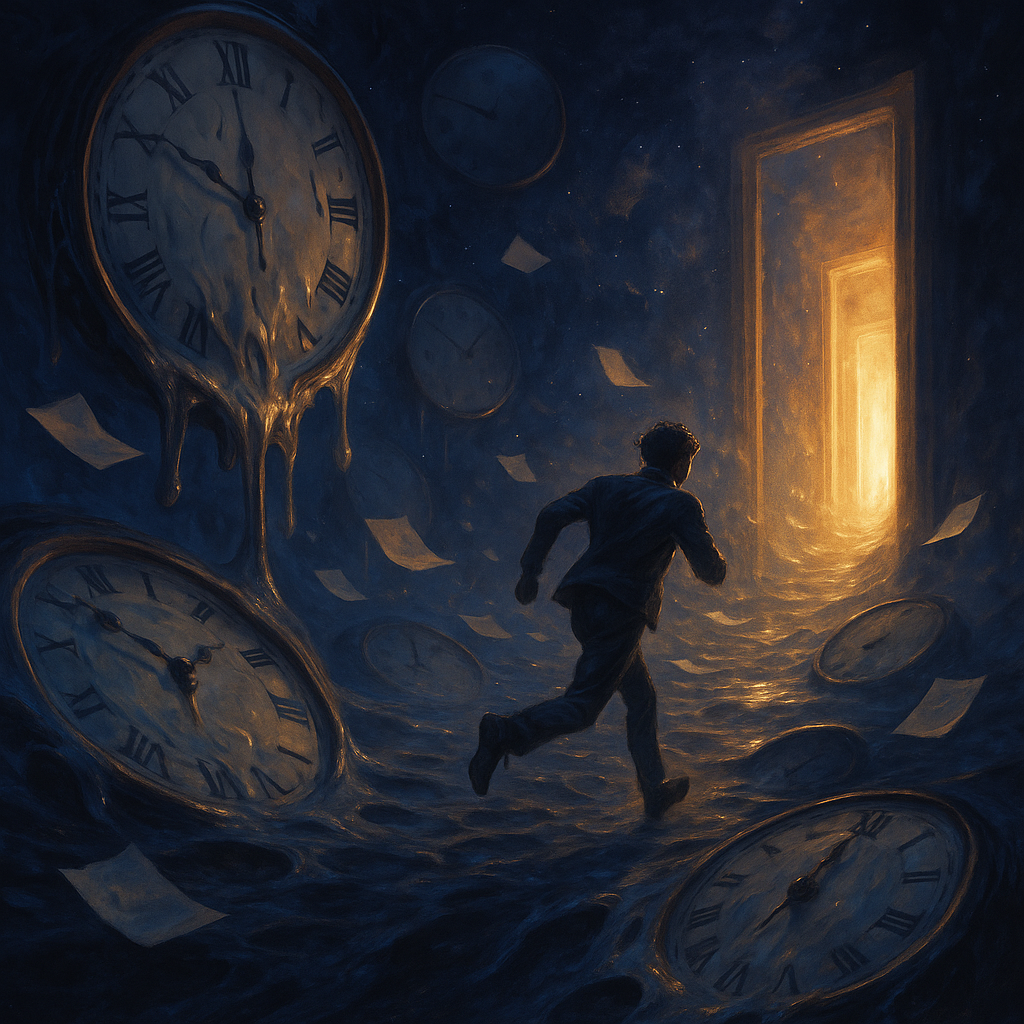
Being Chased but Unable to Run
Dreams where you're being pursued but find your legs won't work, you're running in slow motion, or obstacles constantly block your path reveal deep anxieties about confronting problems you've been avoiding. The pursuer often represents an aspect of yourself, a responsibility, or a difficult situation that demands attention.
The inability to run effectively symbolizes feeling ill-equipped to handle life's challenges. This scenario commonly appears when you're facing deadlines, difficult conversations, or major decisions you've been postponing. Your subconscious is essentially telling you that avoidance isn't working—the very act of running away is what's keeping you trapped. Similar feelings of lost control might manifest in dreams about losing control of a car, where the inability to steer represents powerlessness over your life's direction.
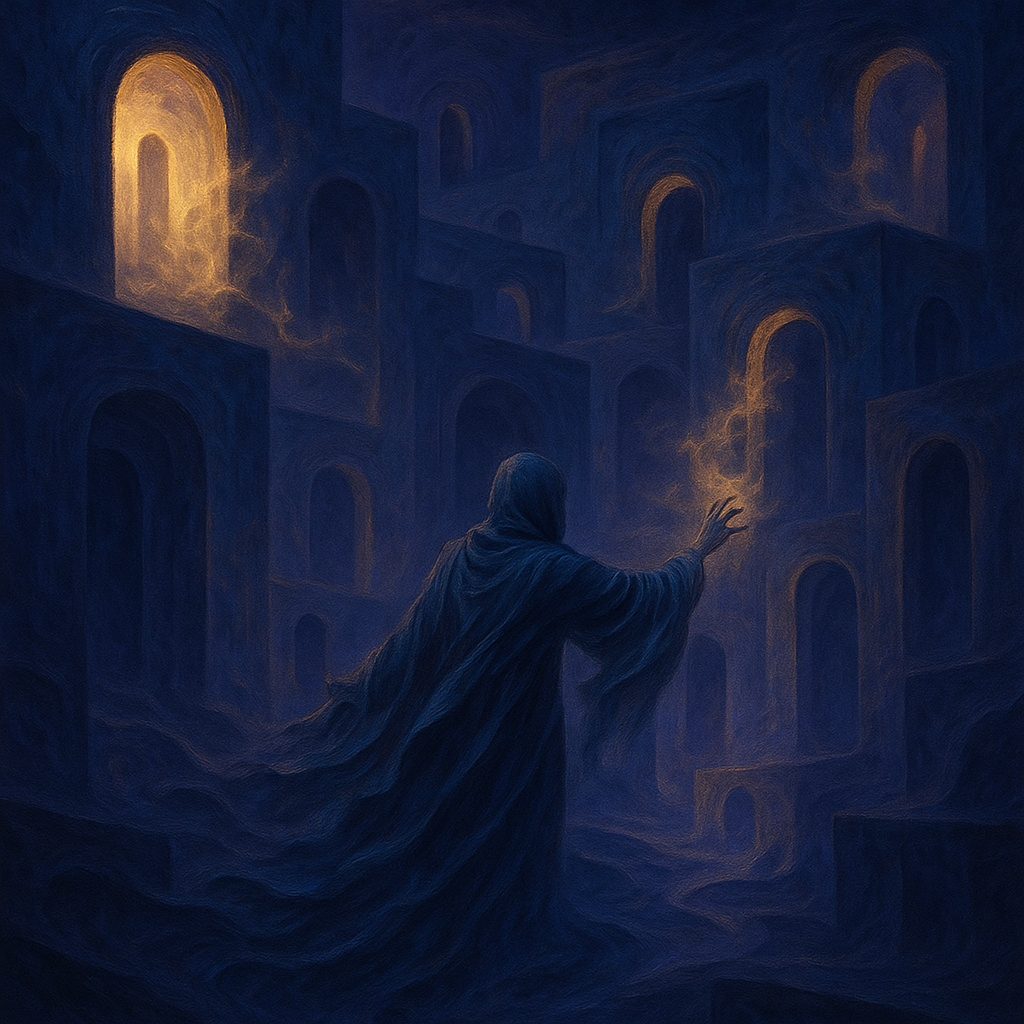
Maze or Labyrinth Dreams
Finding yourself lost in an endless maze with no exit points to feeling confused and overwhelmed by life's complexities. Each wrong turn represents decisions that haven't led to the outcomes you hoped for, while dead ends symbolize paths that no longer serve your growth.
These dreams often emerge during major life transitions—career changes, relationship decisions, or spiritual awakenings—when multiple options exist but none seem clearly right. The maze represents your mind's attempt to process complex situations where every choice seems to lead to new complications rather than solutions.
Locked Doors and Windows
Repeatedly trying to open doors or windows that won't budge represents missed opportunities or barriers preventing you from accessing new possibilities. Each locked entrance symbolizes a different area of your life where you feel blocked—relationships, career advancement, creative expression, or personal freedom.
The key detail is often whether you have keys that don't work (suggesting you have the tools but they're ineffective) or no keys at all (indicating you feel completely unprepared for the challenges ahead). Sometimes these dreams involve supernatural elements, like being trapped by threatening entities, which might connect to fears about external forces beyond your control, similar to dreams about zombie attacks or other supernatural threats.
- Escape dreams typically indicate feeling trapped in waking life situations
- The specific location and obstacles reveal which life areas need attention
- Physical inability to escape often represents emotional or psychological barriers
- These dreams serve as calls to action to address underlying feelings of powerlessness
- The dream's resolution (or lack thereof) indicates your perceived ability to create change
Psychological Interpretation
Jungian Analysis
From a Jungian perspective, dreams about being unable to escape represent encounters with the Shadow self—repressed aspects of your personality or unresolved conflicts that your conscious mind has been avoiding. The trap itself symbolizes psychological complexes or behavioral patterns that keep you stuck in repetitive cycles. Jung would suggest that the inability to escape reflects your resistance to integrating these shadow elements into your conscious awareness.
The pursuer or threatening force in these dreams often represents the Self's attempt to bring attention to neglected aspects of your psyche. Rather than something to flee from, Jung would interpret the threat as something requiring acknowledgment and integration. The escape attempts symbolize the ego's resistance to this necessary psychological work.
Freudian View
Freudian interpretation would likely focus on these dreams as expressions of repressed anxieties, particularly those stemming from early childhood experiences of powerlessness or trauma. The inability to escape might represent unresolved Oedipal conflicts, sexual frustrations, or guilt about forbidden desires that the superego won't allow the conscious mind to express.
Freud would examine the specific details of the trap—enclosed spaces might represent returning to the womb (regression), while being chased could symbolize guilt about suppressed impulses. The dream serves as a safety valve, allowing the psyche to experience and process these forbidden feelings without actual consequences.
Neuroscience Perspective
Modern neuroscience suggests that escape dreams often occur during periods of heightened stress when the amygdala is overactive. These dreams may represent your brain's attempt to rehearse responses to threatening situations, even though the 'threats' are psychological rather than physical. The inability to escape effectively mirrors how chronic stress can impair executive function and problem-solving abilities.
The vivid, emotionally charged nature of these dreams indicates increased activity in the limbic system, particularly during REM sleep when emotional memories are being processed and consolidated. The repetitive nature of many escape dreams suggests your brain is working overtime to find solutions to persistent stressors in your waking life.
Spiritual & Cultural Symbolism
Biblical Interpretation
In Christian tradition, dreams of being unable to escape often represent spiritual bondage or separation from God's will. The trap symbolizes sin, worldly attachments, or spiritual warfare that prevents the soul from achieving divine connection. Biblical stories like the Israelites' captivity in Egypt or Daniel in the lion's den offer parallel themes of divine intervention providing escape from seemingly impossible situations.
These dreams might be interpreted as calls to prayer, repentance, or surrendering control to divine will. The inability to escape through human effort alone points to the need for spiritual intervention and faith-based solutions rather than relying solely on personal strength.
Greek and Roman Symbolism
Ancient Greek mythology presents numerous stories of inescapable situations—from Prometheus bound to his rock to Sisyphus eternally pushing his boulder. These dreams connect to themes of fate versus free will, suggesting that some life challenges may be karmic lessons rather than problems to be solved through escape.
The labyrinth, particularly associated with the myth of Theseus and the Minotaur, represents the hero's journey through confusion and danger toward self-discovery. The inability to escape might indicate you're in the midst of an important initiation that requires facing your inner 'monster' rather than fleeing from it.
Hindu and Buddhist Perspectives
Eastern spiritual traditions interpret escape dreams as representations of samsara—the cycle of suffering caused by attachment and ignorance. The inability to escape symbolizes being trapped by karma, desires, or the illusion of separateness from universal consciousness.
These dreams might indicate the need for spiritual practices like meditation, mindfulness, or detachment from material concerns. The path to freedom isn't through physical escape but through spiritual awakening and release from the ego's limitations. Similar to how dreams about snakes in the house can represent spiritual transformation, escape dreams may signal necessary spiritual evolution.
Chinese and Indigenous Wisdom
Traditional Chinese medicine might interpret these dreams as indicating blocked qi (life force energy) or imbalances between yin and yang energies. The inability to escape suggests stagnation that requires energetic healing, perhaps through acupuncture, qigong, or feng shui adjustments to your living environment.
Many indigenous traditions view such dreams as messages from spirit guides or ancestors, indicating that escape isn't the goal—rather, the dream calls for embracing your current challenges as necessary parts of your spiritual path and personal medicine.
Dream Variations & Their Meanings
Trapped in a Building or Room
Finding yourself locked in a room, elevator, or building represents feeling confined by current life circumstances. The structure symbolizes established patterns or relationships you feel powerless to change. If doors won't open or windows are sealed, you're experiencing a sense of limited options in waking life.
Unable to Escape While Being Chased
When you're running from danger but can't find an exit, this reflects avoiding confrontation with pressing issues. Your legs might feel heavy or you may keep hitting dead ends. This variation often connects to situations where you feel pursued by responsibilities or consequences, similar to a dream about losing control of car where external forces seem to dictate your direction.
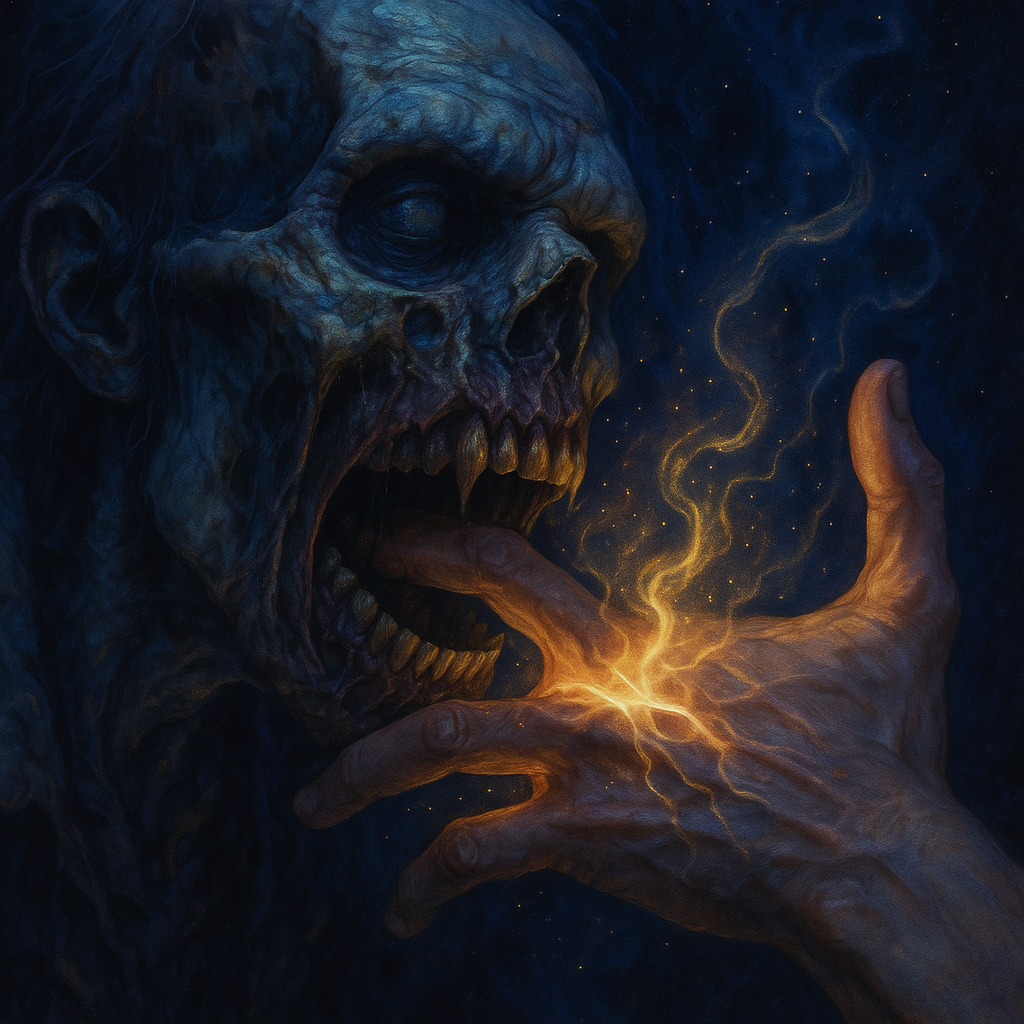
Trapped by Creatures or Threats
Being cornered by animals, monsters, or threatening figures indicates feeling overwhelmed by fears or anxieties. The creature's nature matters - spiders suggest feeling caught in complex situations (like in a dream about spider), while being unable to escape from aggressive animals represents primal fears taking control.
Escape Routes That Disappear
Doors vanishing, stairs crumbling, or exits moving away signify shifting circumstances in real life. Just when you think you've found a solution, new obstacles appear. This reflects situations where goal posts keep changing or promised opportunities fall through.
Physical Paralysis During Escape Attempts
Your body refusing to cooperate - legs won't run, arms won't climb - represents feeling powerless despite mental clarity about what needs to change. This physical helplessness often mirrors emotional or psychological barriers preventing real-life progress.
Maze-Like Environments
Wandering through endless corridors, identical rooms, or confusing layouts suggests feeling lost in complex life decisions. Every path leads nowhere, reflecting indecision or confusion about which direction to take in important life matters.
How the Emotions Change Everything
The emotional tone of your escape dream dramatically shifts its meaning, revealing different aspects of your psychological state.
- Fear and Panic: Intense terror while trapped indicates overwhelming anxiety about real-life situations you feel powerless to control. This emotion suggests the issue feels urgent and threatening.
- Frustration and Anger: Feeling furious about being unable to escape points to suppressed rage about limitations imposed by others or circumstances. You recognize your capabilities but feel blocked by external forces.
- Calm Determination: Methodically searching for exits without panic suggests you're rationally working through challenges. This emotional state indicates confidence in eventually finding solutions despite current obstacles.
- Resignation and Sadness: Giving up the escape attempt or feeling defeated reflects depression or learned helplessness about your situation. This emotion warns of diminishing hope and the need to rebuild motivation.
- Curiosity Despite Confinement: Exploring your trapped environment with interest rather than fear suggests viewing limitations as puzzles to solve rather than insurmountable barriers.
Understanding your dream's emotional landscape helps identify whether you need to address fear, anger, depression, or simply patience in your waking situation. The emotion reveals not just what you're experiencing, but how your subconscious believes you should respond.
What Life Situations Trigger This Dream?
Dreams about being unable to escape typically emerge during periods when you feel genuinely trapped by circumstances beyond your immediate control.
- Toxic Relationships: Marriages, friendships, or family dynamics where you feel emotionally suffocated but can't easily leave due to financial, social, or emotional dependencies create these dreams.
- Career Stagnation: Dead-end jobs, hostile work environments, or professional situations where you feel stuck despite wanting change. Similar to a dream about losing control of car, these represent feeling powerless over your life's direction.
- Financial Constraints: Debt, poverty, or economic circumstances that limit your choices and freedom to make desired life changes manifest as physical entrapment in dreams.
- Health Challenges: Chronic illness, disability, or mental health struggles that restrict your activities and independence often trigger confinement dreams, reflecting the body's actual limitations.
- Educational or Legal Obligations: Contracts, legal proceedings, academic programs, or commitments that bind you to unwanted situations create psychological feelings of entrapment.
- Family Responsibilities: Caring for aging parents, raising children with special needs, or family obligations that limit personal freedom frequently generate escape dreams, especially when resentment builds alongside love and duty.
These dreams serve as emotional pressure valves, allowing your subconscious to process feelings of helplessness while potentially revealing overlooked options or the need to accept temporary limitations while working toward long-term solutions.
When This Dream Keeps Coming Back
Recurring dreams of being unable to escape typically signal unresolved psychological pressure that your subconscious refuses to ignore. Unlike one-time escape dreams that often reflect temporary stress, recurring versions indicate deeper patterns requiring attention.
Three primary causes drive these persistent dreams: First, avoidance patterns in waking life where you consistently postpone difficult conversations or decisions. Second, learned helplessness from past experiences that created mental barriers to taking action. Third, identity conflicts where part of you wants change while another part clings to familiar situations.
To process these dreams effectively, try the "dialogue technique" - write a conversation between yourself and whatever is trapping you. Practice lucid dreaming exercises to gain control within the dream itself. Most importantly, implement the "small escape" method - identify one minor area in waking life where you feel trapped and take concrete action to change it, even something as simple as rearranging your living space or saying no to an unwanted commitment.
What To Do After This Dream
Transform this dream's message into conscious awareness through targeted reflection and observation. Your subconscious has highlighted areas where you feel powerless - now it's time to reclaim your agency.
Essential journaling prompts to explore:
- What situation in my life feels most suffocating or inescapable right now?
- When do I feel most powerless, and what triggers these feelings?
- What would I do differently if I truly believed I had choices?
- Which relationships or commitments drain my energy without giving back?
- What small step could I take today to create more freedom in my life?
Over the next seven days, pay attention to moments when you feel trapped or stuck. Notice your body's physical responses - tight shoulders, shallow breathing, or restlessness often signal these feelings before your mind recognizes them.
Remember: feeling trapped is often an illusion created by fear, not reality. Your dream is actually empowering - it's your inner wisdom refusing to accept limitation. Trust that recognition itself is the first step toward freedom.